Quick answer
Wine tasting from Paris operates daily, with independent operators scheduling sessions typically between 11:00 and 19:00. No standard entrance fee applies—pricing depends on the tour operator, region, and tasting format you select. Most cellars and vineyards welcome visitors year-round, though harvest season in September and October can limit availability in some estates.
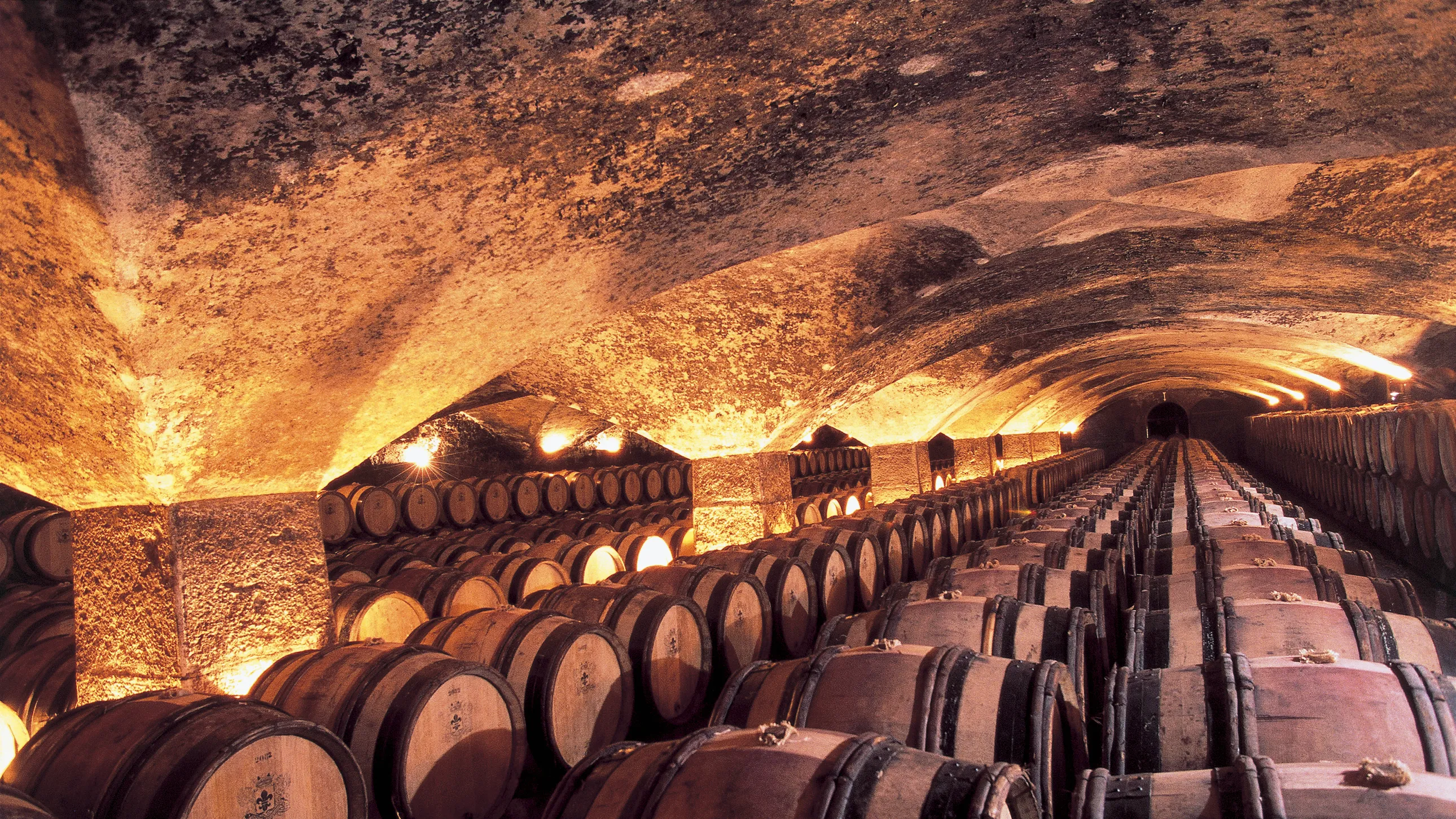
France produces over 46 million hectoliters of wine annually, and three of its most storied appellations lie within a two-hour journey of the capital. Champagne's chalk cellars, Burgundy's Côte d'Or slopes, and the Loire's château vineyards each offer distinct terroirs and tasting philosophies, making Paris an ideal base for comparative exploration. Independent wine tasting operators handle logistics, cellar access, and sommeliers for day excursions. Sessions range from intimate three-estate visits to full-day immersions with vineyard walks, barrel sampling, and paired lunches. Most operators confirm group size and tasting format at booking, allowing you to match the experience to your palate—whether you seek Grand Cru Burgundy verticals or entry-level Champagne education. Weekday departures encounter lighter foot traffic at boutique domaines, while weekend slots fill quickly during spring and autumn. Vineyard access follows the rhythms of viticulture. Pruning occupies winter months; bud break and flowering shape spring; veraison colors summer; harvest dominates early autumn. Tasting rooms remain open through these cycles, but some family-run estates close temporarily during peak harvest weeks in late September. Booking at least two weeks ahead secures your preferred date and region, particularly for Champagne houses requiring advance reservations. Paris wine tasting experiences funnel through independent operators rather than estate-direct bookings, simplifying coordination across multiple appellations in a single day. Departure points cluster near central Paris, with return times designed to accommodate evening plans in the city. The 11:00–19:00 window aligns with standard cellar hours and avoids early-morning rush or late-afternoon closures, ensuring you taste under optimal conditions without the pressure of abbreviated visits.
“France produces over 46 million hectoliters of wine annually, and three of its most storied appellations lie within a two-hour journey of the capital.”
Optimal Timing and Seasonal Windows for Wine Tasting From Paris
The best arrival window for wine tasting from Paris is 11:00–19:00, which aligns with boutique operation hours and avoids peak congestion. Selecting the right season ensures optimal access to regional vineyards and comfortable travel conditions.
Spring (April–May)
Moderate crowdsMild, 12°C–20°C; vines beginning to bud.
Bud break occurs; excellent for comfortable regional travel.
Summer (June–August)
High congestionWarm, 18°C–26°C; peak tourism season.
Wineries are active, though reservations are necessary due to high demand.
Autumn (September–October)
Moderate crowdsCool, 10°C–18°C; harvest season activity.
The harvest period provides a dynamic look at production cycles in nearby regions.
Winter (November–March)
Low crowdsCold, 3°C–9°C; quiet vineyard landscapes.
Limited outdoor activity, yet ideal for intimate indoor tastings and cellar visits.
Verdict: For the most consistent experience, plan your departure for Tuesday to Thursday between 11:00 and 19:00 during the months of April or October.
Getting There: Transport Options for Wine Tasting From Paris
Major wine-growing regions such as Champagne and the Loire Valley are accessible from Paris via high-speed rail networks departing from central stations. For more remote vineyards, regional trains or private transport options provide direct links to tasting rooms.
TGV from Gare de l'Est to Reims
TGV from Gare Montparnasse to Tours
A4 autoroute toward Reims
Private transfer to regional vineyards
Admission and Service Fees for Wine Tasting From Paris
There is no standard entry fee for wine tasting activities originating from Paris. Costs are determined by the specific services provided by independent wine tasting operators.
Adults typically pay for service-based packages, with total costs fluctuating based on the specific itinerary and operator chosen.
How to Plan Your Wine Tasting From Paris Itinerary
This sequence suits travelers who want to visit vineyards outside Paris and return the same day. Expect 8–10 hours door-to-door, with 2–3 hours of actual tasting time.
Depart Paris by train or car
Leave central Paris early to reach Champagne (90 min) or Burgundy (2 hours). Book transport in advance to secure morning slots.
First vineyard tasting
Arrive at your chosen estate for a guided cellar tour and first tasting flight. Most tastings last 60–90 minutes.
Lunch in wine country
Stop at a local bistro or estate restaurant between properties. Reserve ahead during weekends and harvest season.
Second vineyard visit
Tour a contrasting producer—small family domaine after a large house, or organic after traditional. Allow 90 minutes.
Browse village or cooperative
Explore the local wine shop or village center if time permits. Purchase bottles to bring home.
Return journey to Paris
Head back during the 11:00–19:00 window to avoid evening congestion. Factor in the same travel time as your outbound leg.
Essential Tips for Organizing Wine Tasting From Paris
Navigating the logistics of wine tasting from Paris requires attention to cultural nuances and advance planning to ensure a professional and seamless experience.
Bookings and lead times
Secure your reservations at least two weeks in advance, especially during the harvest season or on weekends when boutique producers reach capacity quickly.
Shipping and logistics
If you plan to purchase wine, confirm beforehand whether the operator offers international shipping services to your home country.
Tasting room etiquette
Refrain from wearing perfume or cologne during tasting sessions to ensure you and others can properly detect the subtle aromas of the wines.
Dress code expectations
Choose smart-casual attire that is comfortable for walking through cellars or vineyards, as many locations have uneven or cool-temperature flooring.
Spitting is standard
Do not feel obligated to consume every pour; using the provided spittoons is considered standard practice and allows you to evaluate multiple wines without intoxication.
Midday meal planning
Plan to eat a substantial meal before your session, as many boutique operators do not serve full lunches alongside their tasting flights.
Check availability
Frequently Asked Questions About Wine Tasting From Paris
Everything you need to know about wine tasting from paris